Sembalun Travel Guide: Where to Stay, Run, Eat & Explore
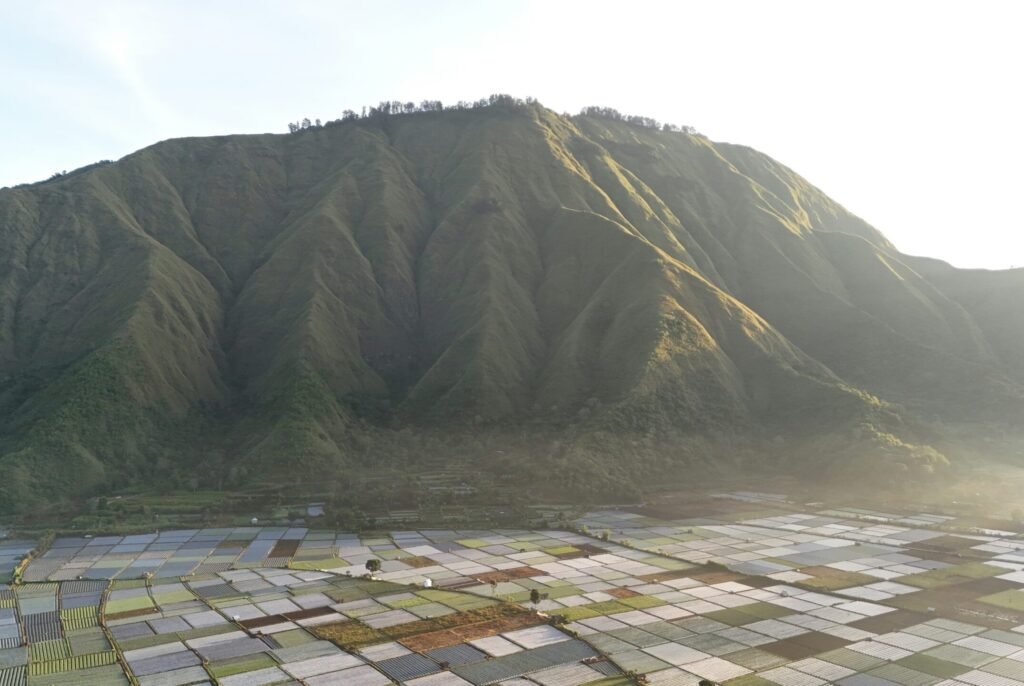
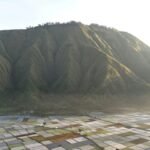
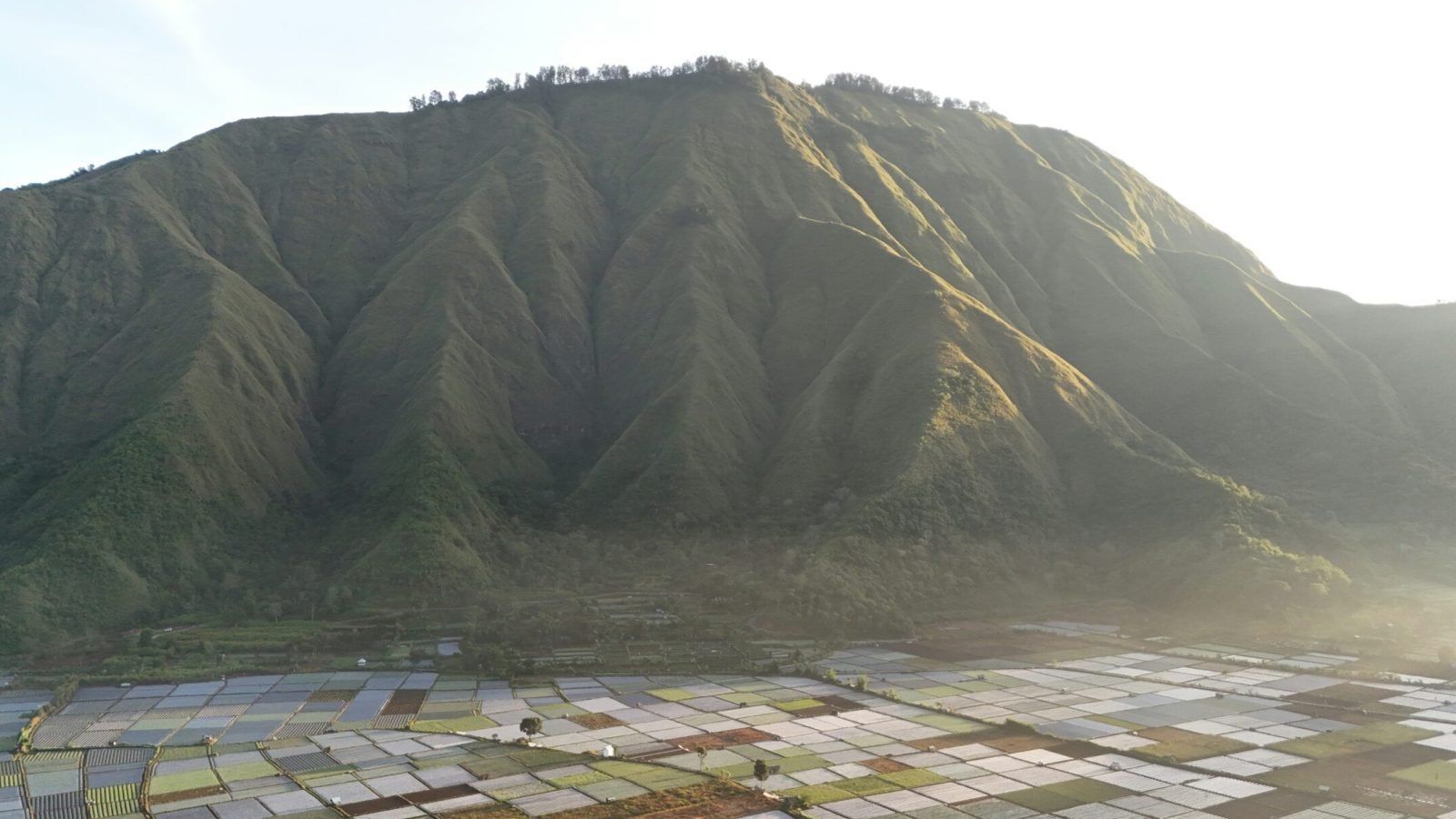
Sembalun is not a place most travellers stumble across. It sits at 1,100 metres in the highland valley on Rinjani’s eastern flank — a farming community surrounded by volcanic terrain, savanna ridgelines and some of the most spectacular mountain scenery in Southeast Asia. Once you’ve been, it’s difficult to explain to people who haven’t.
This guide is written from the perspective of people who spend a significant amount of time in Sembalun running, exploring and bringing groups through the valley. It’s not a comprehensive tourist directory — it’s an honest account of where to stay, what to eat, how to move through the landscape and what to know before you arrive.
Sembalun rewards the people who take time to understand it. We hope this helps you do exactly that.
Getting to Sembalun
Sembalun is not a quick journey from anywhere, which is part of what keeps it genuine. The effort of getting there is a small initiation — and the moment the valley opens up in front of you after the mountain road, it feels worth every minute.
From Bali
Most international travellers arrive via Bali. From Denpasar, take one of the frequent short flights to Lombok International Airport (LOP) — the journey takes around 25 minutes and flights operate multiple times daily. From the airport, Sembalun is approximately two to two and a half hours by road. Private transfers are the most practical option; public transport to Sembalun is limited and involves multiple connections.
From Mataram or the Coast
If you’re travelling from Lombok’s capital or the Gili Islands, allow two to three hours to reach Sembalun depending on your starting point. The road climbs steadily from the coast through small villages and terraced farmland before the valley reveals itself at the top.
The road to Sembalun is winding and some sections are steep. If you’re prone to motion sickness, take precautions before the mountain section. Evening arrivals in the dark add time to the journey — if possible, aim to arrive before sunset on your first visit so you get to see the valley come into view.
When to Visit
Sembalun is worth visiting year-round, but the season you choose shapes the experience significantly.
Dry Season: April to October
The prime time to visit. Trails are dry and firm, the savanna is golden and the mountain is visible on most days. The light in the early morning hours is extraordinary — long shadows across the grasslands, Rinjani catching the first sun. July and August are the busiest months, with more trekkers heading for the mountain. For trail running and retreat experiences, April through June and September through October offer excellent conditions with a quieter valley.
Wet Season: November to March
The valley transforms in the wet season. The rice fields fill and turn a vivid, almost unreal green. Waterfalls that are modest trickles in the dry season become dramatic cascades. The landscape is lush and the air is heavy with humidity. Running is still possible and rewarding, but trails become technical and some routes are inaccessible after heavy rain. Flexibility and local guidance matter more in this season.
Elevation Lab. runs retreats from April through to December, with the schedule built around the best conditions for each type of experience.
Where to Stay
Sembalun’s accommodation is simple, genuine and, in the best places, genuinely memorable. This is not a place for resort hotels — and that’s exactly right for the landscape and the experience. What you will find is warm hospitality, clean rooms and the kind of quiet that is increasingly rare.
One of the most characterful stays in the valley. The cabins at Bobo sit in a beautiful garden setting with unobstructed views of the surrounding mountains. Simple, well-maintained and thoughtfully run — this is the kind of place where you find yourself sitting on the deck long after you intended to go to bed, watching the stars over the highland valley. A genuine favourite for runners and explorers who want something with personality.
A reliable, comfortable option in the heart of Sembalun. Rinjani Inn has been welcoming trekkers and runners for years and knows what travellers need — clean rooms, good information about the mountain and a warm welcome. Practical and well-located, it’s a solid base for anyone exploring the valley on foot.
Hotel Diafan sits comfortably in the valley and offers a warm, welcoming base for runners and explorers. Clean rooms, helpful staff and a genuine connection to the local community make it a good choice for those who want to feel embedded in Sembalun life rather than passing through it. The kind of place where you’ll get honest recommendations about where to eat and what trails to run.
Book ahead, particularly in the dry season months of June through September. Sembalun’s accommodation is limited and good places fill up. A message in advance goes a long way — most properties are family-run and appreciate the notice.
Where to Eat
Eating well in Sembalun is one of the genuine pleasures of time in the valley. The food here is rooted in local produce — vegetables grown in the highland fields, fresh ingredients from the farming community, flavours that reflect the Sasak culinary tradition. It’s not a destination for international cuisine, and that’s entirely the point.
A firm favourite in Sembalun and a place that runners and trekkers return to repeatedly. Darleen’s Cafe & Resto serves honest, well-prepared local food at prices that feel almost impossibly reasonable given the quality. The portions are generous, the welcome is warm and the nasi campur — rice with a selection of local side dishes — is the kind of meal you think about long after you’ve left the valley. But the dish that keeps Elevation Lab. guests talking is the Soto Ayam — a fragrant, deeply satisfying chicken soup that more than one person has described as the best they’ve ever had. It’s worth ordering on your first visit and probably every visit after that.
Balenta offers a slightly different take on Sembalun dining — a relaxed setting, good local food and the kind of unhurried atmosphere that suits a rest day or an evening after a long run. Worth visiting for the local dishes and for the view from the terrace if you time it right. A reliable, welcoming option in the valley.
One of the newer additions to Sembalun’s food scene and already a welcome one. Good for coffee — which matters when your day starts before 6am — and for lighter meals and snacks between runs. The kind of place that fills a gap that previously didn’t have a great answer in the valley. Worth knowing about for early morning starts.
A solid option for evenings in Sembalun, particularly for groups. Mahakala has a good menu of local and Indonesian dishes, a comfortable setting and the kind of relaxed pace that suits a dinner after a long day on the trails. The food is consistent and the portions are well-suited to hungry runners refuelling after a big day. Good coffee too.
Kedai Sawah — which translates roughly as “rice field stall” — sits true to its name, with a setting that puts you right in the heart of the valley’s agricultural landscape. Simple local food, unhurried atmosphere and the kind of warung character that is worth seeking out. A great spot for lunch on a rest day or a slow breakfast before a late morning run.
The best meals in Sembalun are often the simplest — rice, fresh vegetables from the valley farms, local tempeh and tofu, sambal on the side. The local diet is well-suited to active days in the mountains: carbohydrate-rich, fresh and flavourful. Lean into it rather than looking for familiar food.
Running in Sembalun
The valley is the trail running base of operations for everything Elevation Lab. does in Lombok — and the reason is simple. Sembalun offers a concentration of trail quality, terrain variety and visual drama that is genuinely rare.
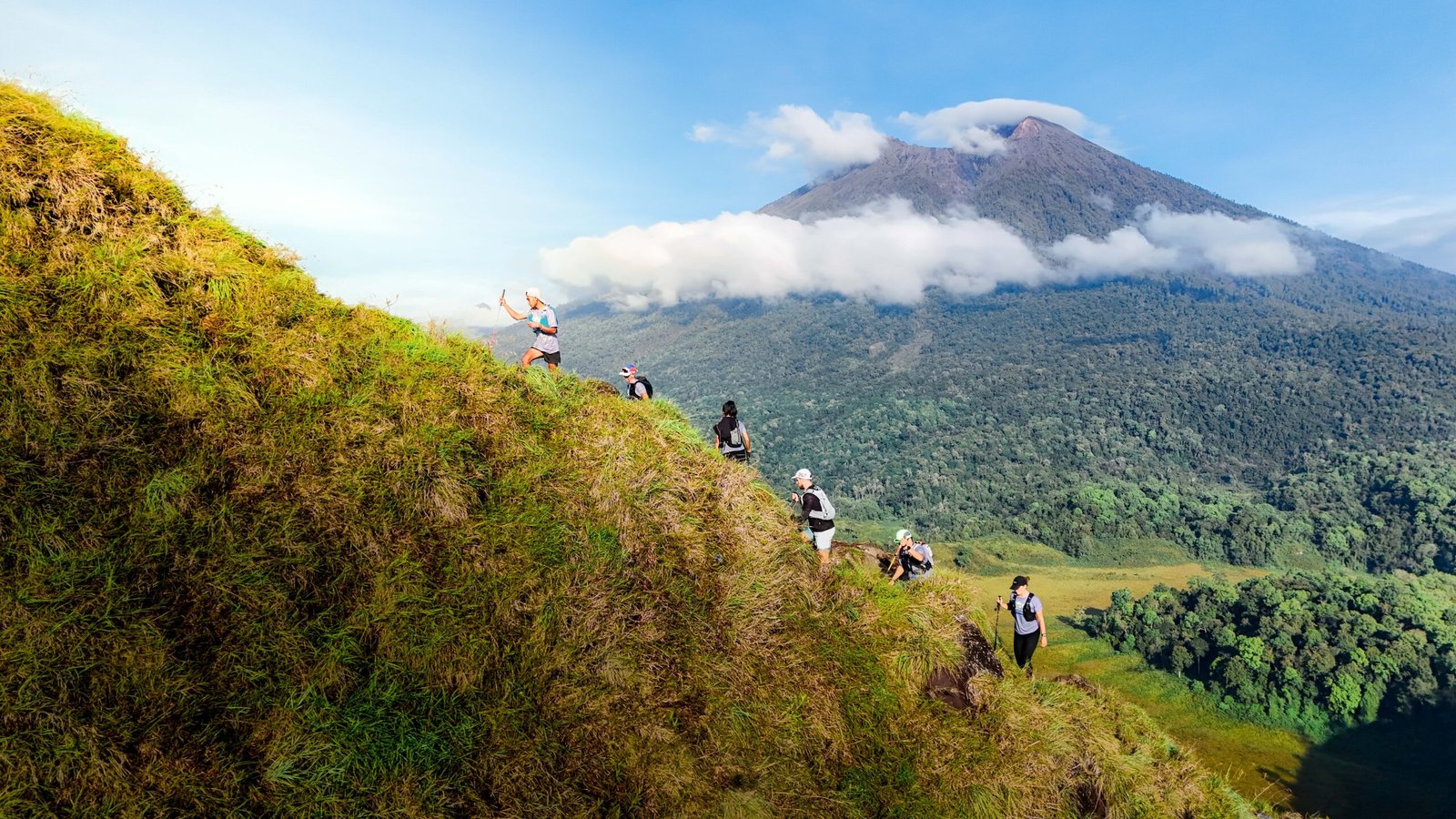
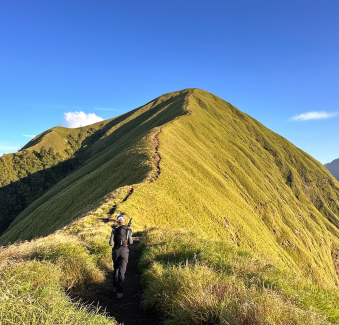
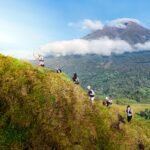
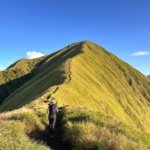
From the valley floor you can access savanna ridgelines with long runnable stretches and unobstructed mountain views, rice field tracks that thread through working farmland, technical jungle routes descending to hidden waterfalls, and — for those looking for bigger days — routes that gain serious elevation into Rinjani’s upper terrain.
Morning runs in Sembalun are something to experience at least once. The valley is quiet before 6am, the light is extraordinary and the mountain above you is at its clearest. Many of the runners who come through Elevation Lab. retreats describe their early morning runs in the savanna as the highlight of the trip — not the biggest day, not the hardest climb, but those first hours of movement in the highland light.
Elevation Lab. runs trail running retreats and elevation expeditions from Sembalun throughout the season. If you want to experience the valley’s trails with local guides, full logistics and a group of like-minded runners, our retreat schedule is the place to start.
Beyond Running: What to Do in Sembalun
Sembalun is worth spending time in even on the days you’re not running. The valley has a depth to it that reveals itself slowly — and the people, the landscape and the culture all reward curiosity.
Explore the Strawberry Fields
Sembalun is one of Lombok’s primary strawberry-growing regions and the fields that line the valley roads are a distinctive feature of the landscape. You can buy fresh strawberries directly from local farms — they’re extraordinarily sweet at this altitude and make an excellent post-run snack. It sounds like a minor detail until you’re actually there eating strawberries in the highland sun looking at Rinjani and wondering why more people don’t know about this place.
Visit a Local Market
The morning market in Sembalun is a window into daily highland life — local produce, fresh vegetables from the valley farms, the quiet commerce of a community that has been self-sufficient for generations. It’s worth an early visit even if you don’t need to buy anything. The market is best in the early morning when it’s at its fullest.
Spend Time in the Valley
This sounds obvious, but it’s worth saying: some of the best time in Sembalun is unstructured. Walk without a destination. Sit somewhere with a view. Watch the mountain change light through the day. The valley has a quality of slowness that is increasingly difficult to find, and it’s worth not rushing through it in pursuit of the next activity.
Day Trip to the Coast
Lombok’s east coast is around an hour and a half from Sembalun and offers a complete contrast to the highland valley — white sand, clear water and the kind of beach quiet that the more developed west coast has largely lost. It makes for an excellent rest day option for those who want to see more of the island.
Cultural Life and Local Tips
Sembalun is a Sasak community with deep roots and a relationship with Rinjani that predates any tourist industry by generations. The mountain is not simply a trekking destination here — it’s a sacred place with genuine cultural significance. Moving through the valley with awareness of that context makes for a richer and more respectful experience.
A Few Things Worth Knowing
- The local language is Sasak — Bahasa Indonesia is widely understood, and a few words of greeting in either language are always warmly received
- Sembalun is a predominantly Muslim community — dress modestly when not on the trails, particularly in the village areas
- Cash is essential — card acceptance is very limited in Sembalun. Bring sufficient Rupiah for your stay, including accommodation, food and any local purchases
- Mobile coverage is available in most of the valley but can be patchy on the trails — don’t rely on it for navigation
- Local guides are not just a convenience — they are the people who know this mountain and this landscape most deeply. Their knowledge, built over years of working the terrain, is genuinely valuable and worth respecting
The Pace of the Valley
Things move differently in Sembalun. Meals take the time they take. Transport runs when it runs. Plans shift with weather and conditions. This is not inefficiency — it’s a different relationship with time, and it’s one of the things that makes Sembalun feel like a genuine escape rather than a packaged experience. Arriving with flexibility and patience makes the whole trip better.
Tipping guides, drivers and hospitality staff is genuinely appreciated and makes a meaningful difference in a highland community where tourism income is relatively recent. A considered tip at the end of a guided day or a stay is one of the most direct ways to support the local economy and the people who make time in Sembalun what it is.
Practical Information
- Currency: Indonesian Rupiah (IDR). There are two ATMs in Sembalun, though not all cards are accepted — it’s worth bringing sufficient cash as a backup, particularly if you’re travelling with an international card that may not work locally
- Language: Sasak locally, Bahasa Indonesia widely. Limited English in most restaurants and accommodations, though improving
- Medical: Basic medical facilities are available in the valley but serious medical needs require transport to Mataram. Travel insurance that covers evacuation is strongly recommended
- Electricity: Standard Indonesian plugs (Type C/F). Power cuts are occasional — a small power bank is worth having
- Water: Drink bottled or filtered water only. Most accommodations provide drinking water; bring a reusable bottle and refill rather than buying single-use plastic
- Internet: Available at most accommodations but connection speeds vary. Don’t plan on reliable video calls from the valley
Experience Sembalun with Elevation Lab.
We run trail retreats and elevation expeditions from the Sembalun valley — local guides, full logistics and experiences built around one of Southeast Asia’s most extraordinary highland landscapes.
Explore Our Retreats